
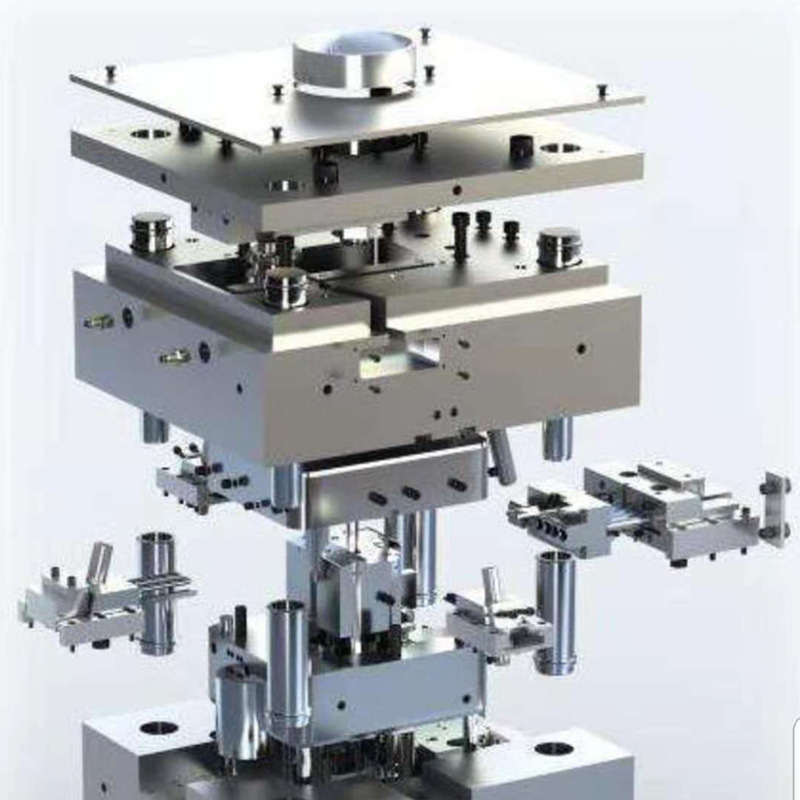
In mold engineering, the parting line and the gating system are not just drawing details—they are the backbone of a functional tool. A poorly chosen parting line invites flash, mismatch, and venting issues that plague every subsequent trial. In practice, I always evaluate the parting line against the part geometry, draft angles, and the expected clamping force. For a typical injection mold, even a 0.02 mm offset at the parting line can produce visible flash on a painted surface, which means secondary trimming or manual finishing—both cost drivers. That is why, before any steel is cut, I spend time on the parting line strategy, especially for multi-cavity or family molds where balanced shut-off is critical.
Once the parting line is locked, the next decision is the gate location and size. This is where mold flow analysis earns its keep. I routinely run a quick fill simulation to map weld lines and air traps, then adjust the gate cross-section and position accordingly. For a typical ABS housing, a gate that is 0.5 mm too small can increase fill pressure by 15–20%, risking short shots or overpacking near the gate. On a recent project, the simulation showed a weld line right on a structural rib; shifting the gate by 8 mm moved the weld line to a non-critical area, eliminating a potential field failure. That hour of simulation saved at least three trial iterations—each of which would have cost machine time, material, and labor.
The takeaway is simple: the upfront effort in parting line and gate design, backed by simulation, is the cheapest insurance against expensive mold rework. I have seen too many tools rushed into the press, only to spend weeks chasing flash or flow marks. A disciplined approach—define the parting line, simulate the fill, then refine the gate—consistently cuts trial cycles by 30–40% in my experience. For engineers looking to sharpen their mold design workflow or source reliable tooling partners, visiting MoldSo at www.moldso.com offers practical resources and supplier contacts that align with real shop-floor needs.
Parting line placement gets blamed on the mold designer, but half the time it's the process window that exposes it. I've seen a 'good' parting line flash badly once we push fill speed to cut cycle time. Designers should ask us what tonnage and injection rate the job will actually run at, not just look at the 3D model.