
7 Key Criteria for Selecting a Chinese Mold Manufacturer
With thousands of mold factories in China, choosing the right partner can be overwhelming. Here is a practical framework based on years of industry experience.
1. Certifications Matter — But Which Ones?
ISO 9001 is the minimum. For automotive molds, IATF 16949 is essential. ISO 13485 for medical parts. But don't stop at certifications — verify that the factory actually follows the documented processes.
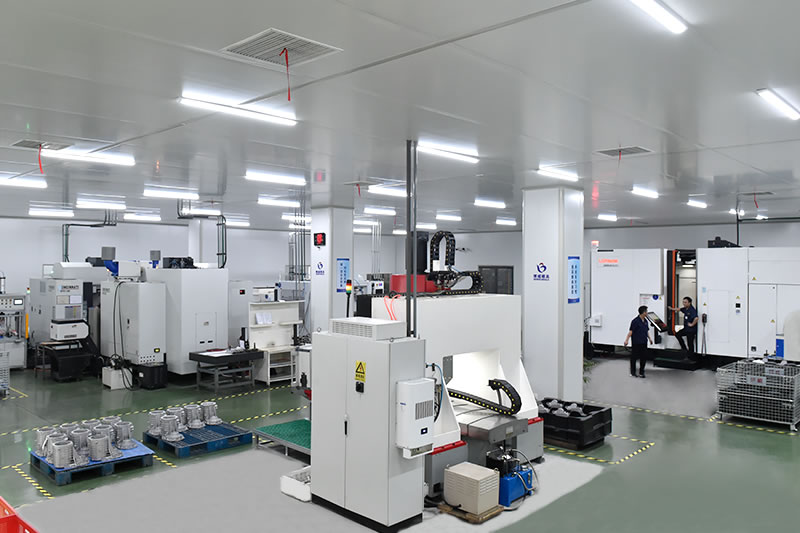
2. Equipment Audit
Ask for a list of key equipment:
- CNC machines (5-axis capability for complex cavities?)
- EDM machines (brand and age — older machines mean poorer surface finish control)
- CMM inspection equipment (for dimensional verification)
- Injection molding machines (for tool tryout)
3. Communication Capability
English communication is the #1 differentiator. A factory with English-speaking project managers will save you countless hours of misunderstandings. Look for:
- English-language technical communication (emails, drawings annotations)
- Regular status updates without you having to chase
- Use of standardized technical vocabulary (not machine-translated)
4. Export Experience
Ask about their export history:
- Which countries have they exported to?
- Do they understand international packaging standards (moisture-proof, fumigation)?
- Can they handle customs documentation?
5. Red Flags to Watch For
- Price 30%+ below market average — usually means skipped processes or inferior materials
- Vague delivery timelines — a professional factory gives specific dates
- No DFM (Design for Manufacturing) report — this is a standard deliverable
- Reluctance to share progress photos
6. Remote Evaluation Checklist
Can't visit in person? Schedule a video call and ask to see:
- The CNC workshop floor (live, not recorded)
- Their CMM inspection process
- The specific machine that will run your mold
- Completed molds ready for shipping (check the surface finish quality)
7. Sample Request Strategy
Before committing to a large order, start with a small, representative mold. This reveals the factory's true quality level, communication style, and delivery reliability with minimal risk.
Buyers keep asking for ISO certificates but never walk the floor. Ask to see their die maintenance log and a tryout report from the last automotive job. If they can't show dimensional capability studies on stamped parts, the cert means nothing. I've seen shops pass audits and still miss 0.05mm on progressive dies.