When we talk about mold structure and process, the conversation has to start at the design table. Parting line selection is the first decision that locks in everything downstream: it determines ejection direction, slider and lifter placement, and how much room you leave for venting. Get it wrong and no amount of machining precision will save the tool. Cooling system layout deserves the same seriousness. Cooling channels should follow the part geometry at a consistent distance from the cavity surface, and where wall thickness varies, that distance has to be adjusted accordingly—otherwise you get uneven shrinkage, warpage, and longer cycle times. In practice, conformal cooling inserts are worth considering on deep cores and hot spots, but only after you have confirmed the cycle time savings justify the added tooling cost.
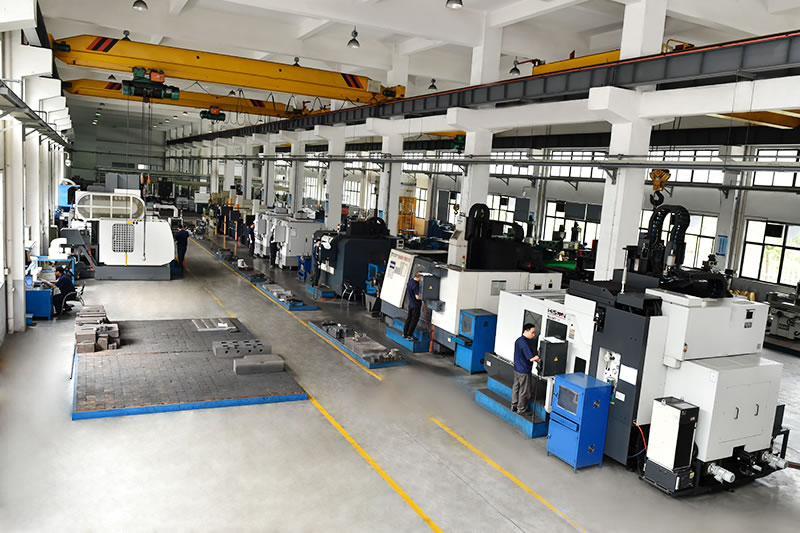
On the machining side, accuracy control is a chain, not a single operation. Roughing, semi-finishing, and finishing need separate allowance strategies; leaving 0.3–0.5 mm on semi-finishing and then taking light finishing cuts keeps deflection and tool wear predictable. For cavity and core inserts, we typically hold tolerances in the 0.01–0.02 mm range on critical shut-off surfaces, and fit clearances on slides and lifters need to account for thermal expansion at operating temperature—not just room-temperature measurement. EDM still earns its place on deep ribs and sharp internal corners where milling cannot reach, but electrode wear compensation has to be dialed in or the cavity depth drifts across the batch.
Assembly is where all the upstream decisions get audited. Water fittings, ejector plates, guide pillars, and return springs all need to be checked against the 3D model before the tryout, and the first shot should be treated as a measurement exercise, not a production run. Record the actual shrinkage, check the parting line match, and verify cooling flow rates on every circuit. That data feeds back into the next tool build and gradually shortens your debug cycle. For more mold sourcing and supplier information, visit MoldSo at www.moldso.com.