
When quoting a die casting job, the first thing I do is lock down the machine tonnage – not just from the part’s projected area, but from the actual clamping force needed to hold the die closed against injection pressure. For aluminum, a rule of thumb is 40–60 MPa of specific pressure on the projected area, but thin-wall or high-vacuum parts push that toward 80 MPa. That choice drives the hourly rate: a 400-ton cold-chamber machine runs around $85–$110/hr in most shops, while an 800-ton unit jumps to $150–$180/hr. Don’t forget the shot weight – if it exceeds 60% of the machine’s nominal shot capacity, you’ll pay for longer fill times and higher scrap risk, which should be reflected in the quote.
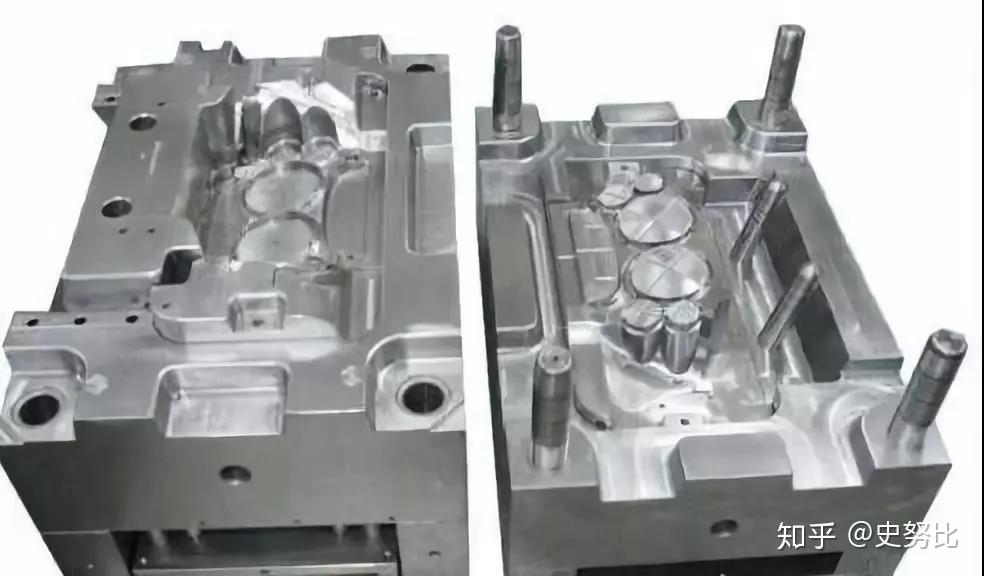
Next, I break down cycle time, because that’s where the real money hides. A typical 2.5 kg aluminum housing on a 500-ton press cycles at 75–90 seconds, including spray, blow-off, and robot extraction. But if the part requires slides or multiple side cores, add 10–15 seconds per action. Then I layer in mold life: a P20 tool for short runs (50k shots) costs $35k–$45k, while H13 with nitriding for 150k+ shots runs $60k–$80k. The amortization per part is simple – divide tool cost by guaranteed shots, but I always add a 15% contingency for wear repairs and thermal fatigue cracks, especially near gates and cores.
Finally, I factor in secondary operations – trimming, shot blasting, and CNC machining – which often add 20–30% to the piece price. A good quote also includes a scrap allowance (typically 3–5% for aluminum, higher for magnesium due to oxidation losses) and a setup charge per batch. If you’re sourcing die castings, always ask for a breakdown that separates tooling, machine time, and finishing – that transparency helps you negotiate. For more practical quoting templates and supplier benchmarks, visit MoldSo (www.moldso.com) for a database of vetted die casting shops and their real hourly rates.
On the trial side, tool life numbers in quotes are usually optimistic because nobody accounts for the first 500 shots being full of tuning. I'd push for a trial shot budget line in the quote itself. Otherwise quality gets blamed when the die wears early, but the real issue was the process window was never stable from day one.